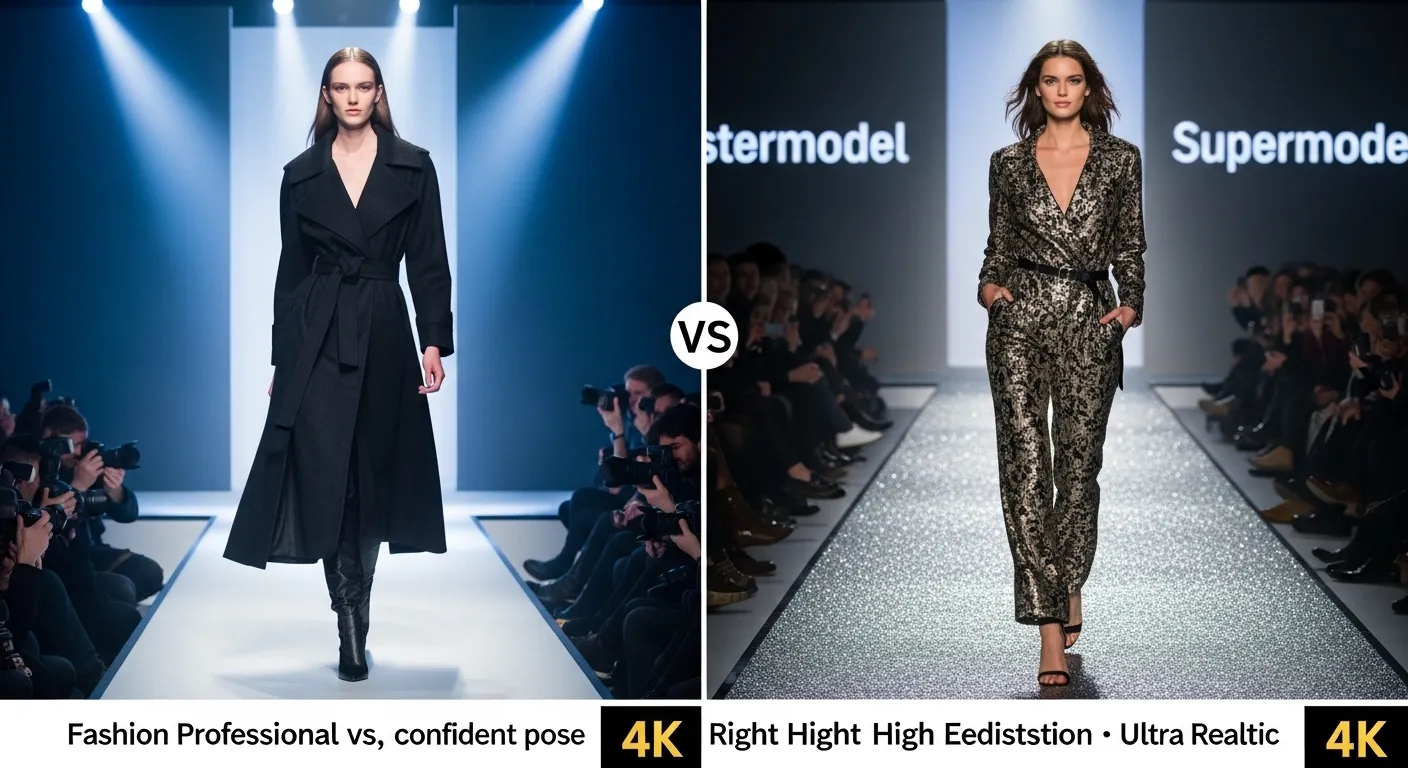
In the fashion world, people often hear the words model and supermodel and assume they mean the same thing. But in reality, there is a big difference between them. Imagine walking through a fashion show where many talented people walk the runway, but only a few become global icons recognized everywhere.
A model is someone who displays clothes, products, or poses for photoshoots. Many hardworking individuals build careers this way. However, a supermodel is a model who reaches international fame, appearing on major magazine covers and representing luxury brands.
The difference between model and supermodel is not just about beauty. It also includes popularity, influence, earnings, and recognition in the fashion industry. Some models work locally, while supermodels dominate the global stage.
Understanding the difference between model and supermodel helps learners, fashion enthusiasts, and professionals better appreciate the structure of the modeling industry. It clarifies how careers grow from beginner stages to global success.
So before exploring the fashion spotlight further, let’s uncover the difference between model and supermodel and why it matters so much in the world of fashion.
Key Difference Between the Both
The main difference between model and supermodel lies in fame and influence.
- A model works in fashion, advertising, or promotional campaigns.
- A supermodel is a globally recognized celebrity model who represents top designers and brands.
Why Their Difference Is Necessary to Know
Knowing the difference between model and supermodel is important for both learners and experts in fashion, media, and marketing. It helps people understand career levels and industry expectations.
For society, models promote fashion, creativity, and marketing, while supermodels often influence culture, beauty standards, and global trends. Their recognition can shape how people see style and identity.
Pronunciation
Model
- US: /ˈmɑː.dəl/
- UK: /ˈmɒd.əl/
Supermodel
- US: /ˈsuː.pɚˌmɑː.dəl/
- UK: /ˈsuː.pəˌmɒd.əl/
Before diving deeper, let’s explore the detailed differences between model and supermodel in the main part of the article.
Difference Between Model and Supermodel
1. Level of Fame
A model may work professionally but might not be widely known.
A supermodel is recognized internationally.
Examples:
- A local fashion catalog model working for a clothing brand.
- Cindy Crawford appearing on global magazine covers.
2. Career Influence
Models mostly follow fashion trends created by designers.
Supermodels often set trends themselves.
Examples:
- A model promoting a seasonal clothing line.
- Naomi Campbell influencing global runway styles.
3. Income Level
Models earn according to projects and assignments.
Supermodels earn millions through endorsements and brand deals.
Examples:
- A model paid for a single advertisement shoot.
- Gisele Bündchen earning from global luxury brand partnerships.
4. Media Presence
Models may appear in fashion campaigns or small magazines.
Supermodels frequently appear on international magazines and media shows.
Examples:
- A model featured in a local fashion magazine.
- A supermodel on Vogue covers worldwide.
5. Career Opportunities
Models usually work with limited agencies or brands.
Supermodels work with top designers and luxury companies.
Examples:
- A model working with a regional clothing company.
- A supermodel walking for Chanel or Versace.
6. Public Recognition
Most people might not recognize an average model by name.
Supermodels become household names.
Examples:
- A runway model unknown to the general public.
- Tyra Banks recognized globally.
7. Social Influence
Models influence fashion buyers within campaigns.
Supermodels influence global beauty and lifestyle trends.
Examples:
- A model promoting a brand on a catalog page.
- A supermodel influencing millions through social media.
8. Career Longevity
Models may work for shorter periods depending on demand.
Supermodels often maintain long-term global careers.
Examples:
- A model working for a few fashion seasons.
- Kate Moss staying influential for decades.
9. Brand Ambassadorship
Models represent brands temporarily.
Supermodels often become long-term brand ambassadors.
Examples:
- A model in a seasonal ad campaign.
- A supermodel as the face of a luxury perfume for years.
10. Cultural Impact
Models contribute to fashion presentation.
Supermodels become cultural icons.
Examples:
- A model appearing in fashion lookbooks.
- A supermodel influencing fashion history.
Nature and Behaviour
Model:
Models usually focus on professionalism, discipline, and adapting to designers’ requirements. Their work requires flexibility and the ability to represent different styles.
Supermodel:
Supermodels often display strong confidence, leadership in fashion trends, and public influence. They may also engage in activism, business, or philanthropy.
Why People Are Confused About Their Use
People often confuse the terms because every supermodel is also technically a model. However, not every model becomes a supermodel. Media sometimes uses the term “supermodel” loosely, which increases confusion.
Difference and Similarity Table
| Aspect | Model | Supermodel | Similarity |
| Fame | Limited recognition | Global fame | Both work in fashion |
| Income | Moderate | Very high | Both earn through modeling |
| Influence | Limited | Global impact | Both influence fashion |
| Career Reach | Local or national | International | Both represent brands |
| Media Presence | Less frequent | Very frequent | Both appear in media |
Which Is Better in What Situation?
A model is better suited for commercial campaigns, catalog modeling, and regional advertising. Many brands prefer professional models who can represent products clearly without the huge cost of hiring celebrities.
A supermodel is better when companies want global marketing impact and strong brand recognition. Their popularity attracts media attention and increases product visibility worldwide.
Use in Metaphors and Similes
- “She walked into the room like a supermodel on the runway.”
- “He stood there like a model in a magazine advertisement.”
These comparisons show confidence, beauty, or elegance.
Connotative Meaning
Model
- Positive: professionalism, beauty
- Neutral: representation or example
- Example: “She is a model of discipline in the classroom.”
Supermodel
- Positive: fame, glamour
- Sometimes negative: unrealistic beauty standards
- Example: “Her confidence made her look like a supermodel.”
Idioms or Proverbs Related
- Role model – someone others admire
Example: “She is a role model for young designers.” - Model behavior – ideal conduct
Example: “The students showed model behavior during the event.”
Works in Literature
- “The Model” – poem by Robert Service (Poetry, 1907)
- “Supermodel” – essay references in fashion journalism (Non-fiction, various writers)
Movies Related to the Keywords
- Zoolander (2001, USA) – comedy about male modeling culture
- The Neon Demon (2016, USA/France/Denmark) – thriller about the modeling industry
- Gia (1998, USA) – biographical film about supermodel Gia Carangi
Frequently Asked Questions
1. Is every model a supermodel?
No. Only a small number of models achieve global fame and become supermodels.
2. What makes someone a supermodel?
International recognition, major brand deals, and cultural influence.
3. Can a model become a supermodel?
Yes, through success, popularity, and consistent high-profile work.
4. Are supermodels richer than models?
Usually yes, because they earn from endorsements, fashion shows, and media appearances.
5. Do supermodels only work in fashion shows?
No. They also appear in advertisements, movies, and business ventures.
How Both Are Useful for Surroundings
Models help promote fashion, products, and creativity, which supports industries like advertising, design, and photography. Supermodels extend this influence globally by shaping beauty standards, marketing trends, and cultural conversations.
Final Words for Both
Both models and supermodels play essential roles in the fashion world. One builds the foundation of the industry, while the other represents its highest level of influence and fame.
Conclusion
The difference between model and supermodel mainly lies in fame, influence, and global recognition. A model works professionally to represent products, designers, or brands, while a supermodel goes beyond that role and becomes a worldwide fashion icon.
Both positions require discipline, confidence, and dedication. However, the journey from model to supermodel is rare and demands exceptional success in the industry. Supermodels often shape trends, appear in global media, and influence millions of people.
It is important to remember that every supermodel starts as a model. The difference simply reflects how far a career grows in terms of recognition and influence.
Understanding the difference between model and supermodel helps learners, marketers, and fashion enthusiasts appreciate the structure and hierarchy of the fashion industry.
In simple words: models represent fashion, while supermodels represent fashion on a global stage.

I am William Strunk Jr an American professor of English and the author of the classic style guide the Elements of Style. He emphasized clarity, brevity, and proper grammar in writing, influencing generations of writers. Learn more about his work and writing tips at wordrar.com.