Introduction
A wildlife ranger once told a group of tourists, “If it smiles wide, it’s a croc; if it’s U-shaped, it’s a gator.” That simple line saved them from confusion and possibly danger. The difference between crocs and gators is not just scientific; it’s practical in real-life encounters.
In everyday conversations, people often mix up these reptiles. Crocodiles and alligators may look similar, but their features, habitats, and behavior differ greatly. Understanding the difference between crocs and gators helps you identify them quickly and correctly.
Imagine standing near a riverbank and spotting a large reptile. Knowing the difference between crocs and gators could help you react safely. That’s why this topic matters not just for learners but for wildlife enthusiasts too.
These creatures belong to the same family group but have evolved differently. Their snouts, teeth, and habitats tell very different stories. Still, confusion persists because they share many physical similarities.
In this guide, we’ll break down the difference between crocs and gators in a simple, clear, and practical way so anyone can understand it easily.
Key Difference Between the Both
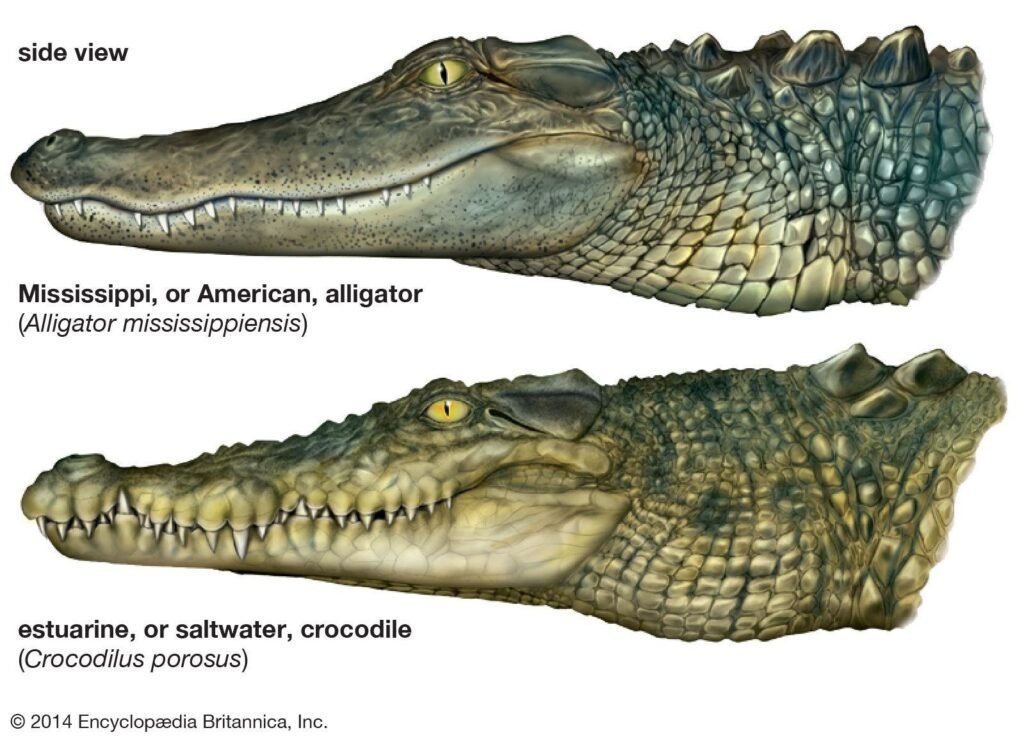
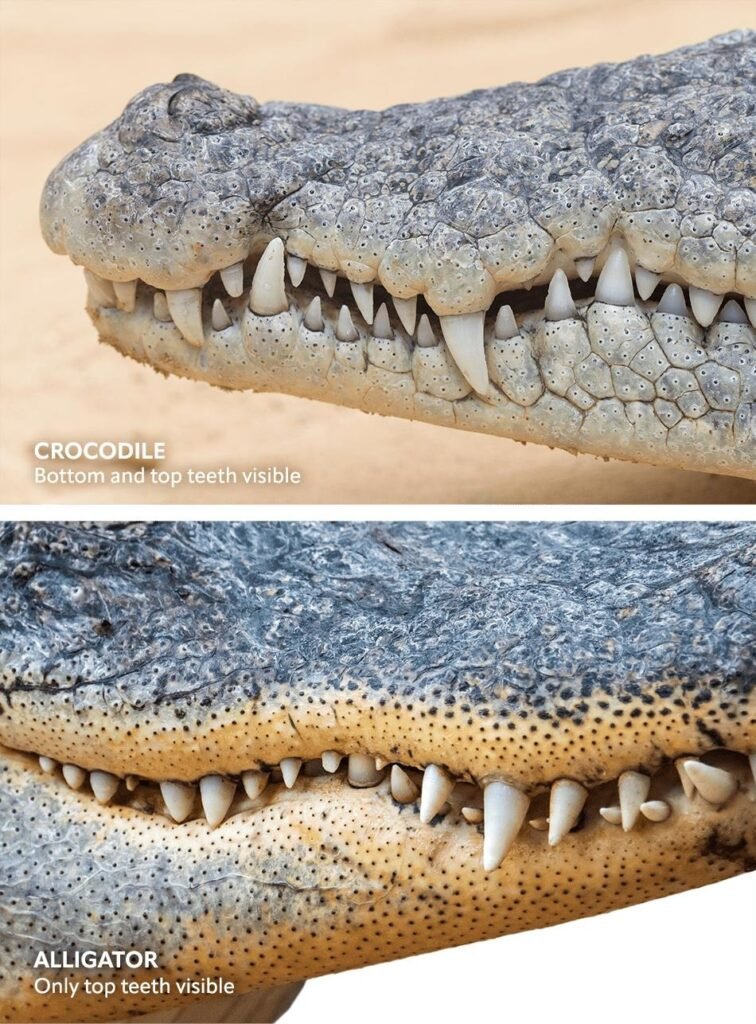
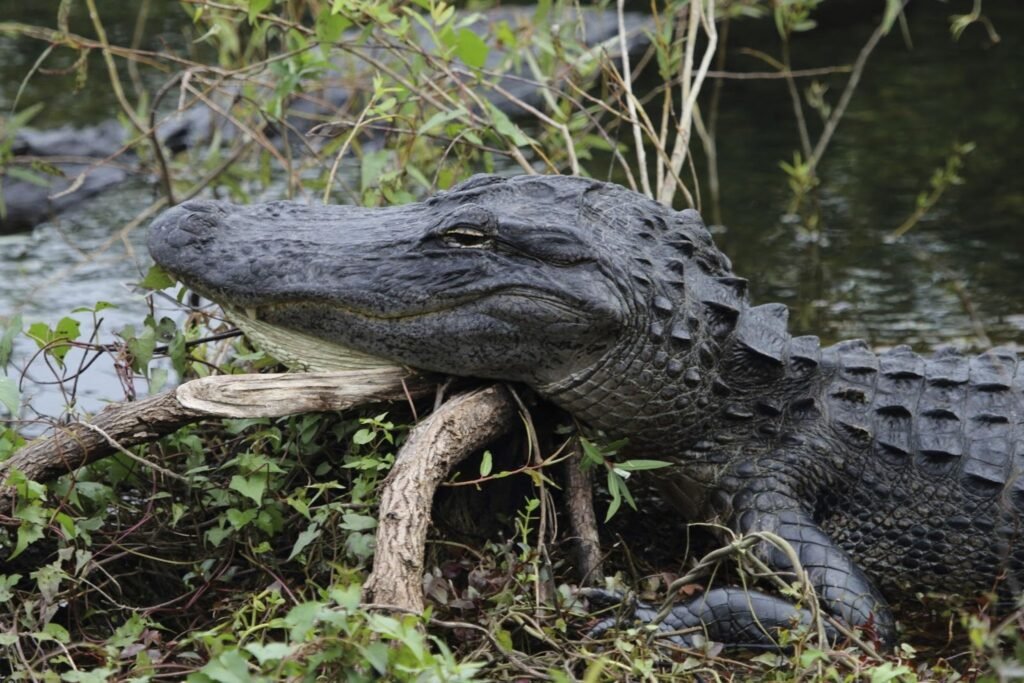
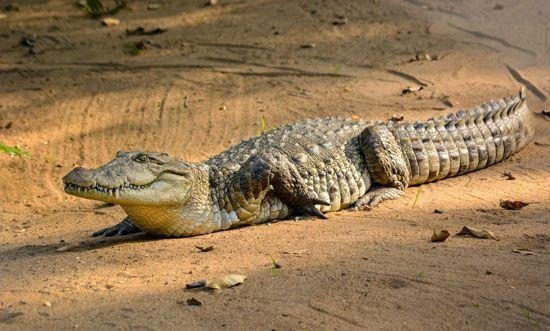
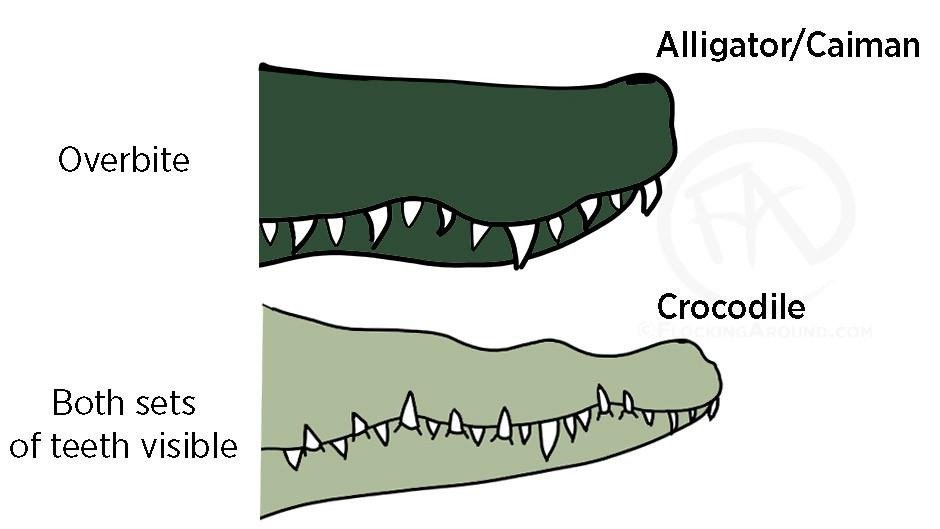
The main difference lies in snout shape, teeth visibility, habitat, and behavior. Crocodiles have narrow V-shaped snouts, while alligators have broad U-shaped snouts. Crocodiles are more aggressive and live in both saltwater and freshwater, whereas alligators prefer freshwater and are relatively calmer.
Why Is Their Difference Important?
Understanding these reptiles is crucial for wildlife safety, ecological balance, and scientific study. For learners, it builds clarity in biology. For experts, it helps in conservation and habitat management.
In society, knowing the difference can prevent dangerous encounters, especially in regions where these animals exist. It also supports environmental awareness and respect for nature.
Pronunciation (US & UK)
- Crocs (Crocodiles)
- US: /ˈkrɑː.kə.daɪl/
- UK: /ˈkrɒk.ə.daɪl/
- Gators (Alligators)
- US: /ˈæl.ɪ.ɡeɪ.tər/
- UK: /ˈæl.ɪ.ɡeɪ.tə/
Now that you understand the basics, let’s dive deeper into the main differences.
Difference Between Crocs and Gators
1. Snout Shape
Crocodiles have a narrow V-shaped snout.
Example 1: Nile crocodile has a pointed snout.
Example 2: Saltwater crocodile shows a sharp jawline.
Alligators have a wide U-shaped snout.
Example 1: American alligator has a rounded snout.
Example 2: Chinese alligator shows a blunt jaw.
2. Teeth Visibility
Crocodiles show teeth even when mouth is closed.
Example 1: Lower teeth visible outside.
Example 2: Uneven tooth alignment.
Alligators hide teeth when mouth is closed.
Example 1: Upper jaw covers lower teeth.
Example 2: Neater jaw appearance.
3. Habitat
Crocodiles live in saltwater and freshwater.
Example 1: Coastal regions.
Example 2: Rivers and estuaries.
Alligators prefer freshwater only.
Example 1: Swamps.
Example 2: Lakes and rivers.
4. Behavior
Crocodiles are aggressive.
Example 1: Attack humans more often.
Example 2: Highly territorial.
Alligators are calmer.
Example 1: Avoid humans.
Example 2: Less aggressive nature.
5. Color
Crocodiles are lighter olive or brown.
Example 1: Sandy tones.
Example 2: Yellowish shades.
Alligators are darker blackish.
Example 1: Dark green skin.
Example 2: Blackish appearance.
6. Location
Crocodiles live worldwide.
Example 1: Africa.
Example 2: Australia.
Alligators are mostly in USA and China.
Example 1: Florida.
Example 2: Yangtze River.
7. Salt Glands
Crocodiles have functional salt glands.
Example 1: Can survive in seawater.
Example 2: Excrete salt easily.
Alligators have weak salt glands.
Example 1: Cannot survive in oceans.
Example 2: Stay in freshwater.
8. Size
Crocodiles are generally larger.
Example 1: Up to 20 feet.
Example 2: Heavier body mass.
Alligators are smaller.
Example 1: Around 10–15 feet.
Example 2: Less bulky.
9. Lifespan
Crocodiles live longer.
Example 1: Up to 70–100 years.
Example 2: Long survival rate.
Alligators have slightly shorter lifespan.
Example 1: Around 50 years.
Example 2: Lower longevity.
10. Jaw Strength
Crocodiles have powerful bite force.
Example 1: Crush bones easily.
Example 2: Strong hunting ability.
Alligators also strong but slightly less.
Example 1: Good for prey capture.
Example 2: Less aggressive force.
Nature and Behaviour
Crocodiles are aggressive, territorial, and highly alert predators. They often attack when threatened.
Alligators are calmer and more passive, usually avoiding confrontation unless provoked.
Why People Are Confused
Both reptiles look similar in size, shape, and color. Movies and media often use them interchangeably. Also, their shared classification as reptiles adds to the confusion.
Difference and Similarity Table
| Feature | Crocs | Gators | Similarity |
| Snout | V-shaped | U-shaped | Both have strong jaws |
| Habitat | Salt & fresh | Freshwater | Semi-aquatic |
| Teeth | Visible | Hidden | Sharp teeth |
| Behavior | Aggressive | Calm | Carnivorous |
| Color | Light | Dark | Scaly skin |
Which Is Better in What Situation?
Crocodiles are better suited for marine and coastal ecosystems due to their salt tolerance. They play a crucial role in maintaining ecological balance in diverse habitats.
Alligators are better for freshwater environments like swamps and lakes. Their calmer behavior makes them less dangerous for human-populated areas.
Metaphors and Similes
- “As dangerous as a crocodile in deep water.”
- “Calm like an alligator in the sun.”
Connotative Meaning
- Crocodile: Negative (danger, aggression)
- Example: “He has crocodile instincts.”
- Alligator: Neutral to positive (strength, calmness)
- Example: “Steady like an alligator.”
Idioms & Proverbs
- “Crocodile tears” (fake sympathy)
- Example: He showed crocodile tears after lying.
Works in Literature
- Peter Pan (Fantasy, J.M. Barrie, 1911) – Crocodile
- The Enormous Crocodile (Children’s, Roald Dahl, 1978)
Movies
- Crawl (2019, USA) – Alligators
- Lake Placid (1999, USA) – Crocodile
FAQs
1. Are crocs more dangerous than gators?
Yes, crocodiles are generally more aggressive.
2. Can alligators live in saltwater?
No, they prefer freshwater.
3. Which is bigger?
Crocodiles are usually larger.
4. Where are alligators found?
Mainly in the USA and China.
5. How to identify quickly?
Check the snout shape and teeth visibility.
How Both Are Useful for Surroundings
Both help maintain ecological balance by controlling prey populations and supporting aquatic ecosystems.
Final Words
Crocodiles and alligators are fascinating yet powerful reptiles. Understanding their differences helps us respect and coexist safely with them.
Conclusion
Understanding the difference between crocs and gators is more than just academic knowledge it’s a practical survival skill. While both belong to the same reptile family, their differences in snout shape, habitat, behavior, and appearance make them unique.
Many people confuse them due to their similar looks, but once you notice key features like teeth visibility and snout shape, identification becomes easy. Short tip: V-shape equals croc, U-shape equals gator.
Their role in nature is equally important. Both species help maintain ecological balance and biodiversity. Respecting their space and understanding their behavior is essential for safety and conservation.
In the end, learning the difference between crocs and gators not only improves knowledge but also builds awareness about wildlife. Stay informed, stay safe, and appreciate nature’s diversity. check more
I am Lynne truss , journalist, and broadcaster best known for her bestselling grammar book Eats, Shoots & Leaves, which highlights the importance of punctuation in clear writing. Her engaging and witty style has made grammar accessible and entertaining for millions of readers worldwide.at wordrar.com, we admire her work for inspiring readers to appreciate the power of precise language and proper grammar.